Diorama
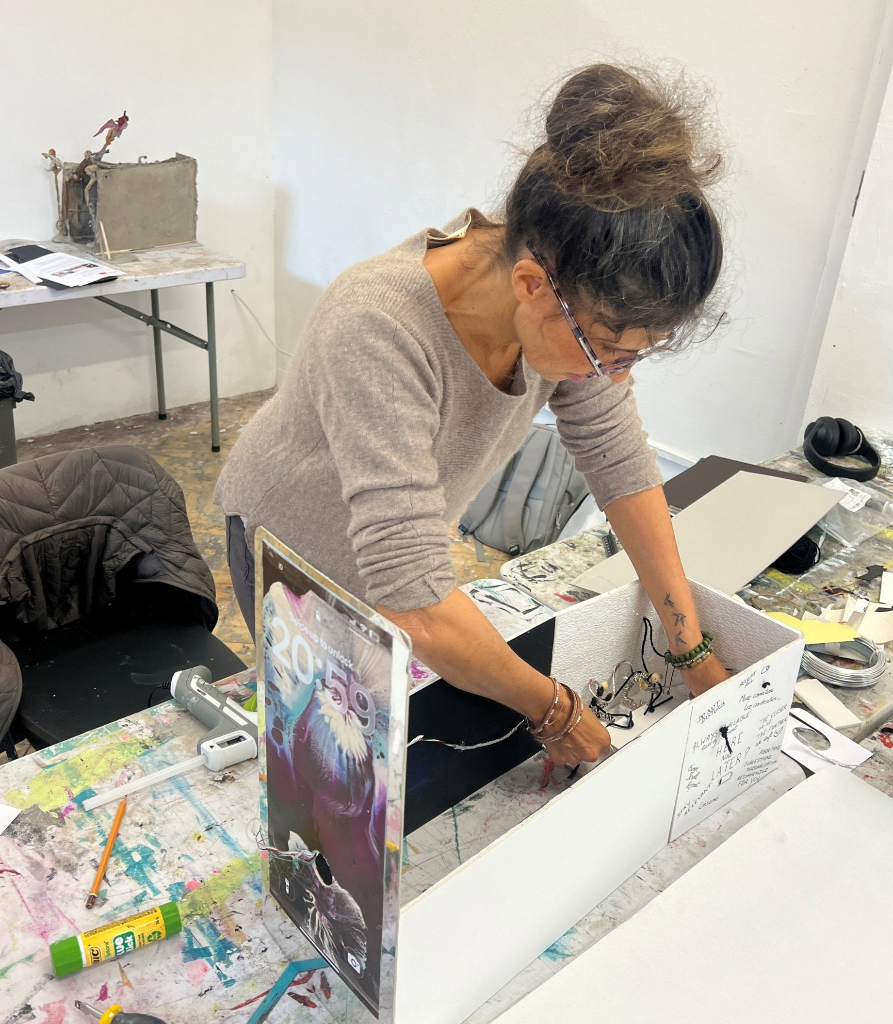
Diorama was another unexpected surprise. I really enjoyed it.
Although we were not supposed to start with a preconceived idea, I could not quite help myself! If I have the opportunity, I like to do some initial thinking and research, then use the workshop itself to refine, change or completely rethink the idea.
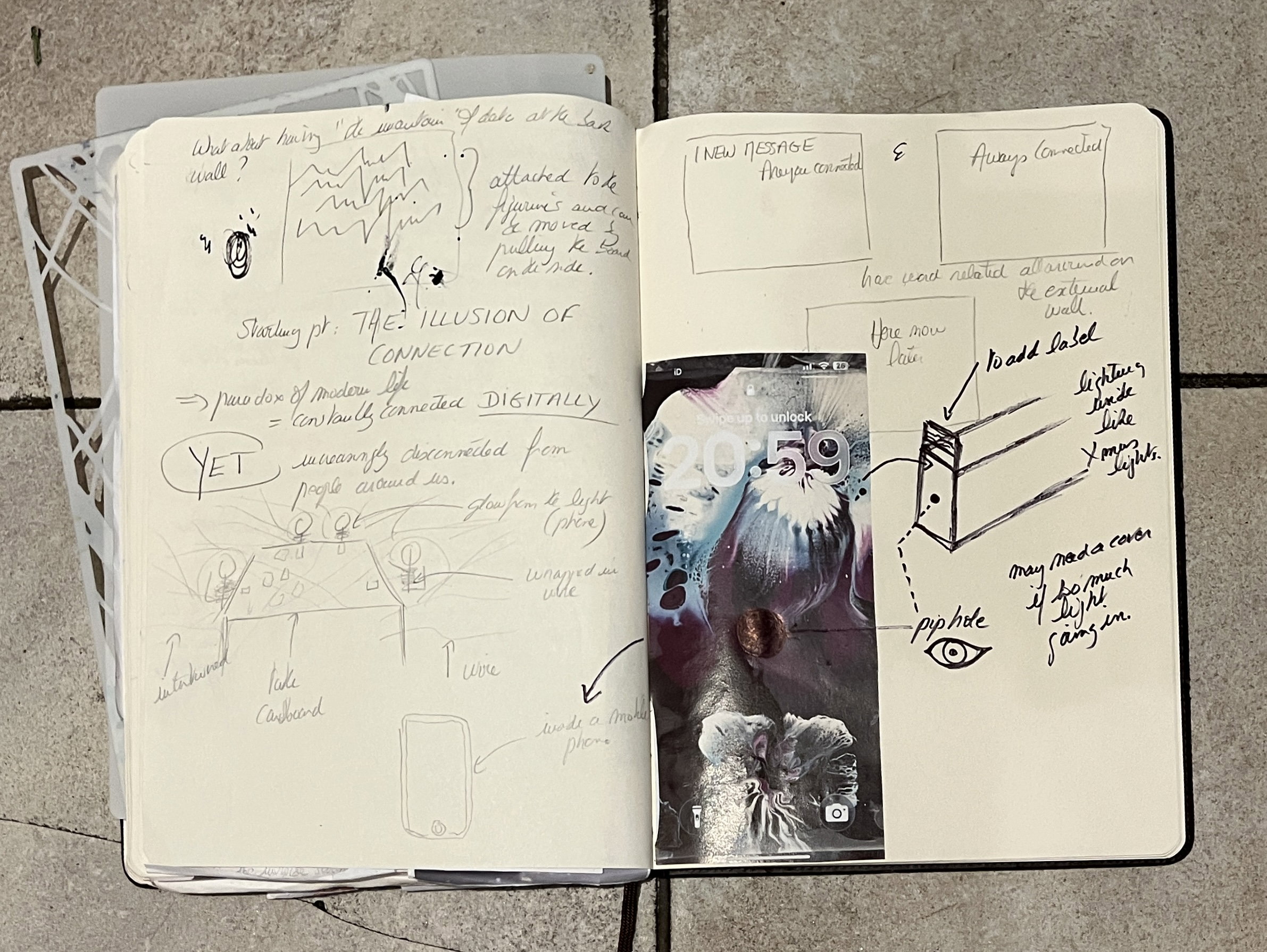
RESEARCH & PLANNING
My initial thoughts were around data and the invisible, but I was not convinced they would make a strong diorama. Then, just before going to bed, I had my Eureka moment: the idea needed a purpose and, more importantly, a human element.
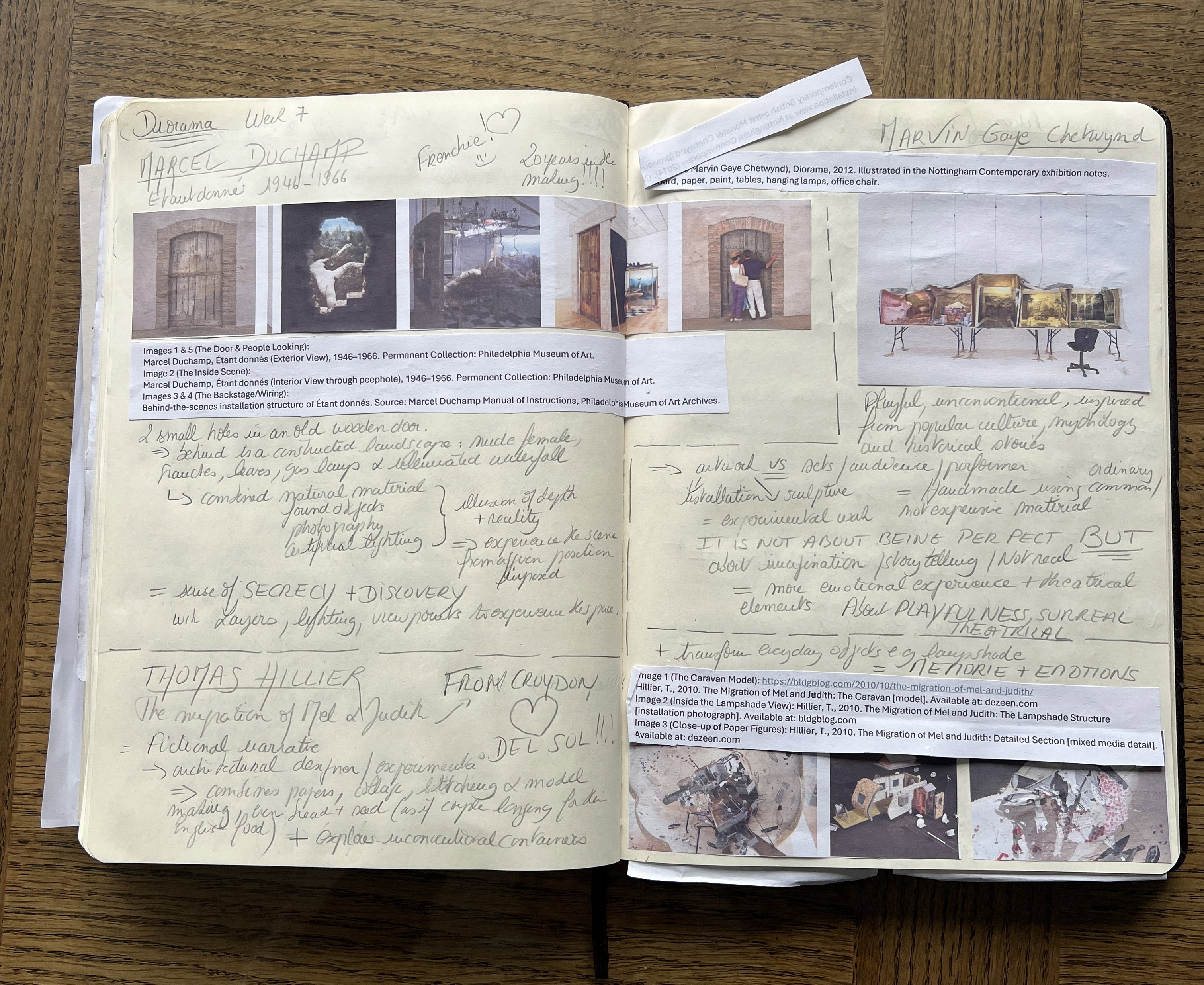
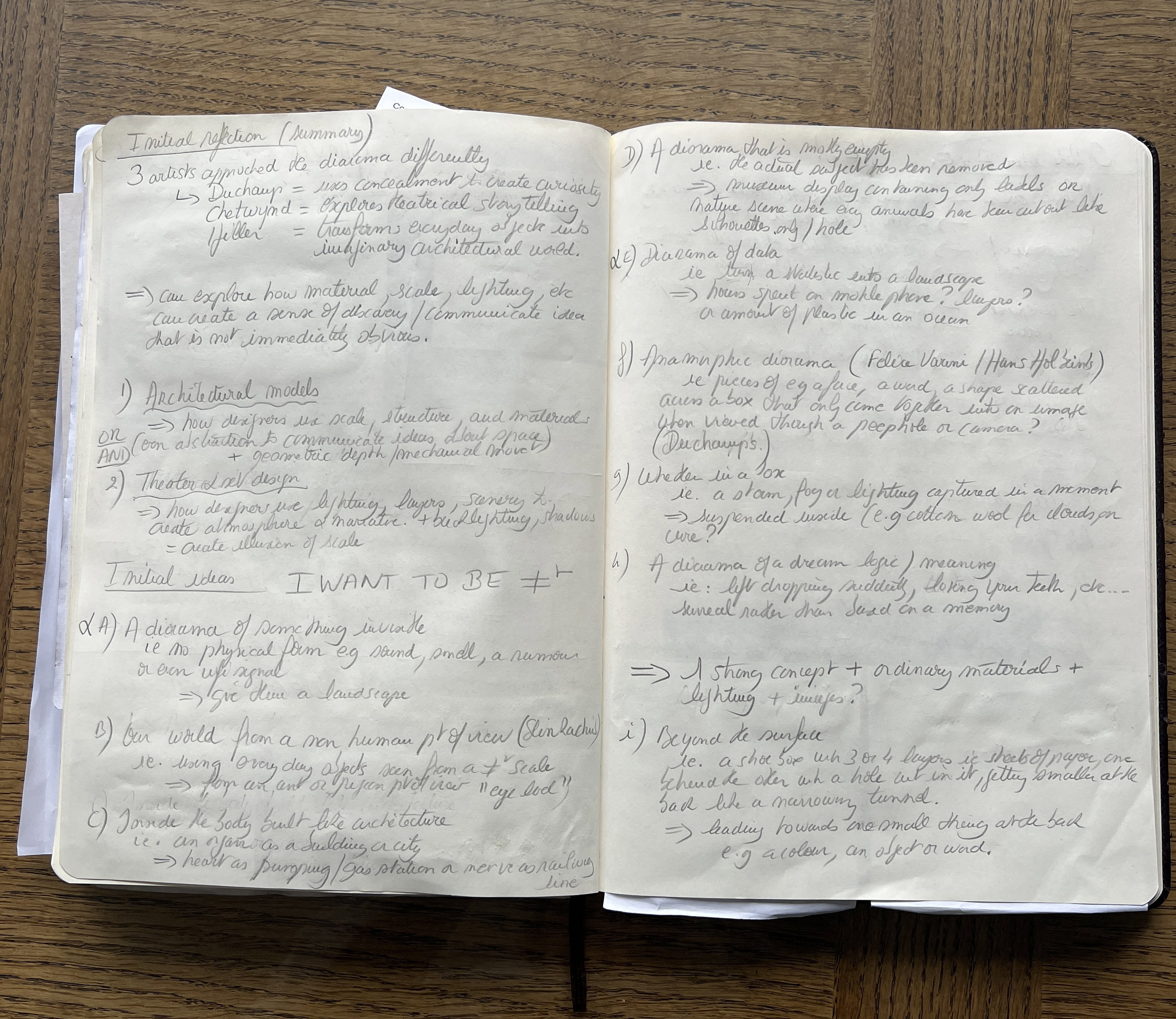
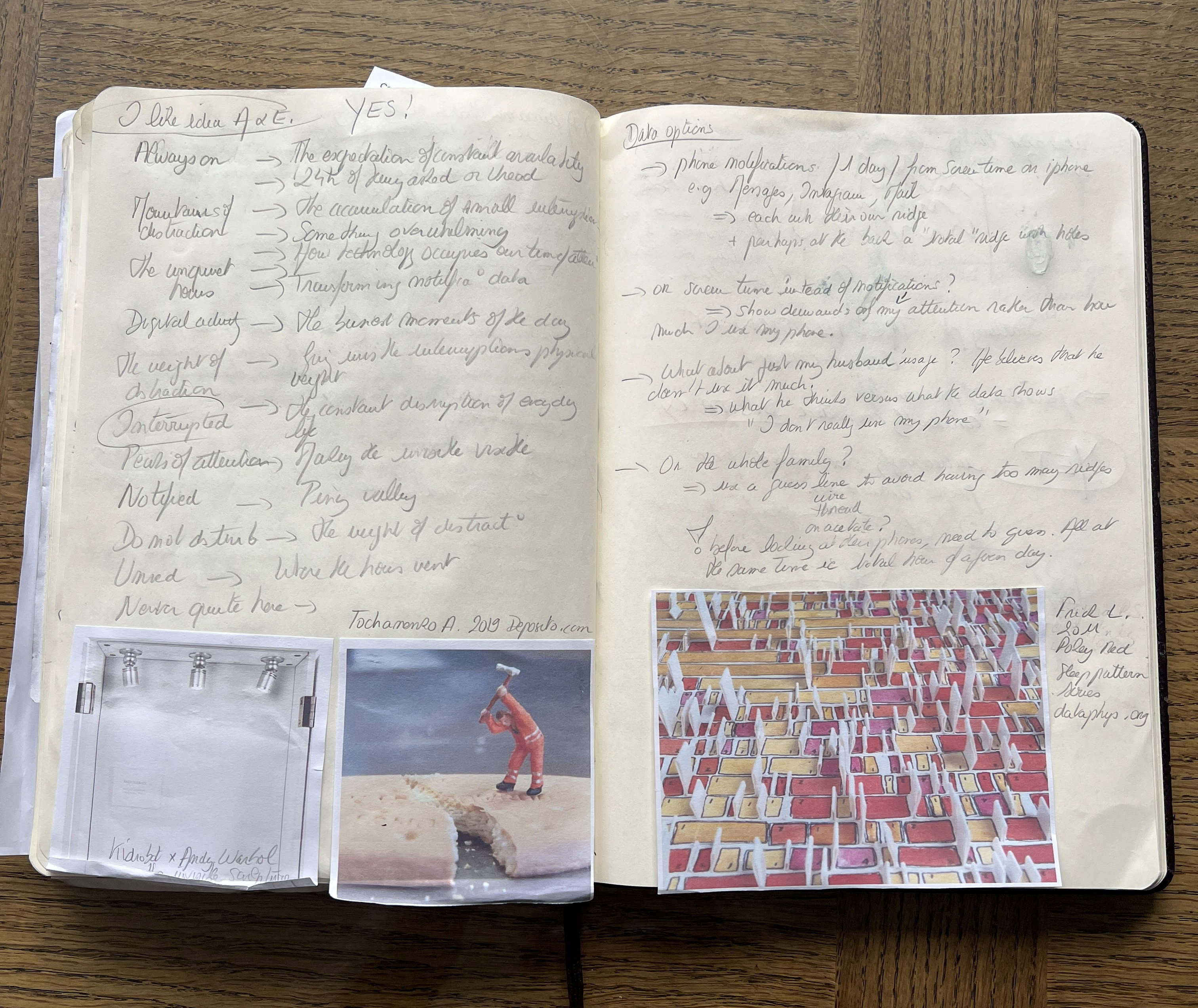
My initial research was useful even if I did not end up using the original idea. However, it led me to work out what was missing and eventually led me somewhere much more exciting.
EXPERIMENTATION & DEVELOPMENT
Connected / Disconnected
The starting point was the paradox of modern life i.e. we are constantly connected digitally, yet increasingly disconnected from the people around us.
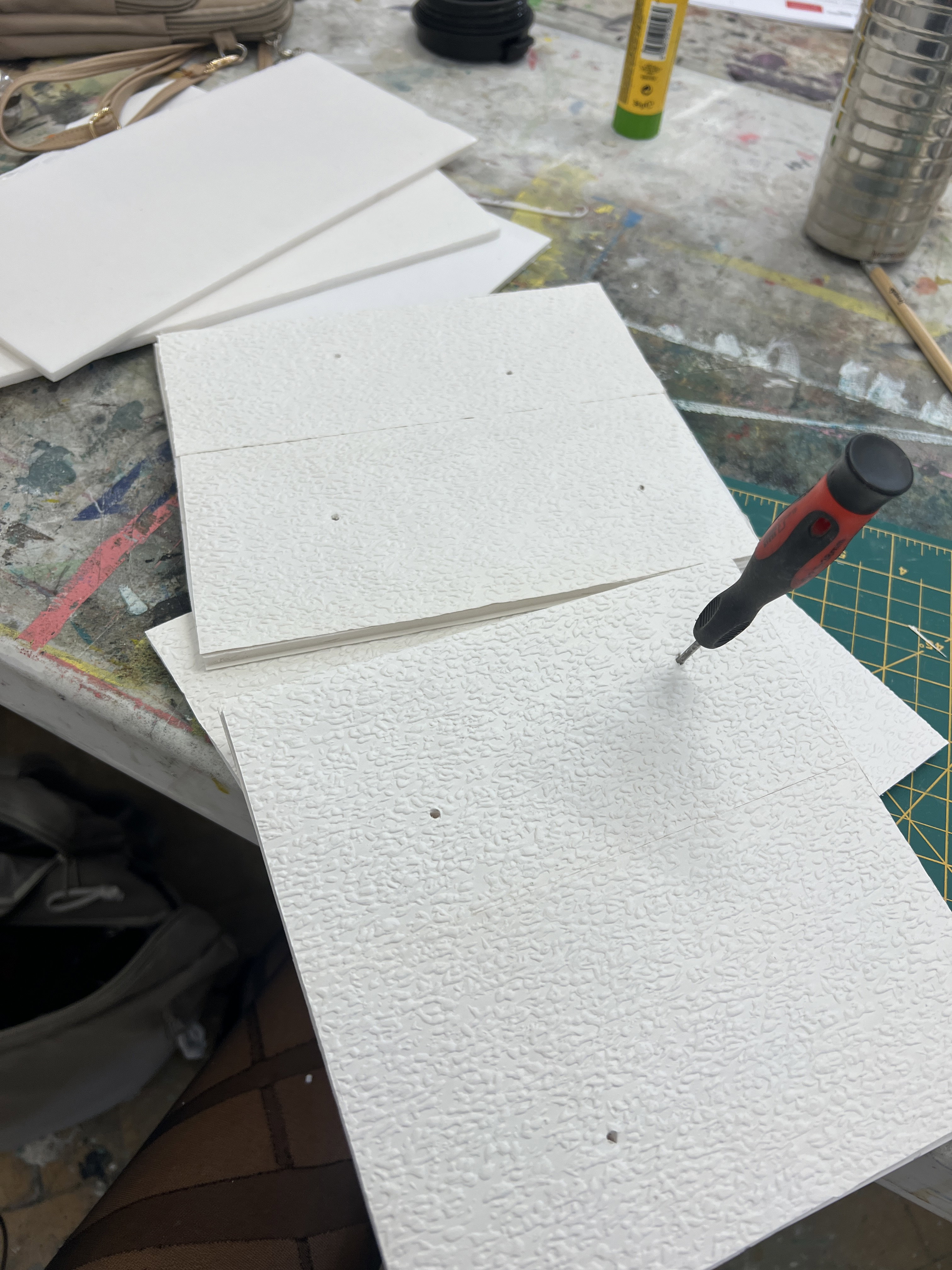
This is something that most families battle with every day. We can be sitting together in the same room while each person is absorbed in a completely different digital world.
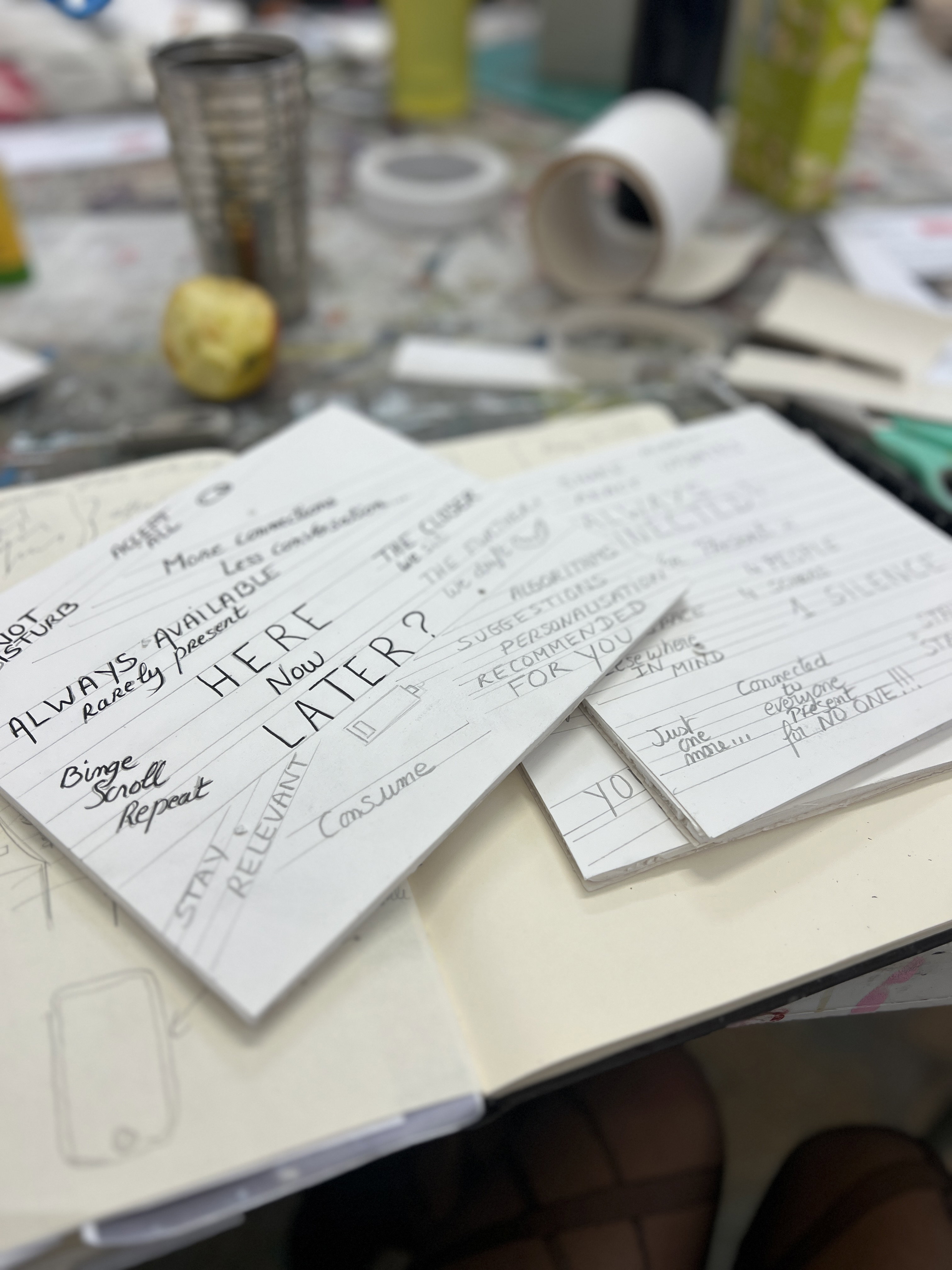
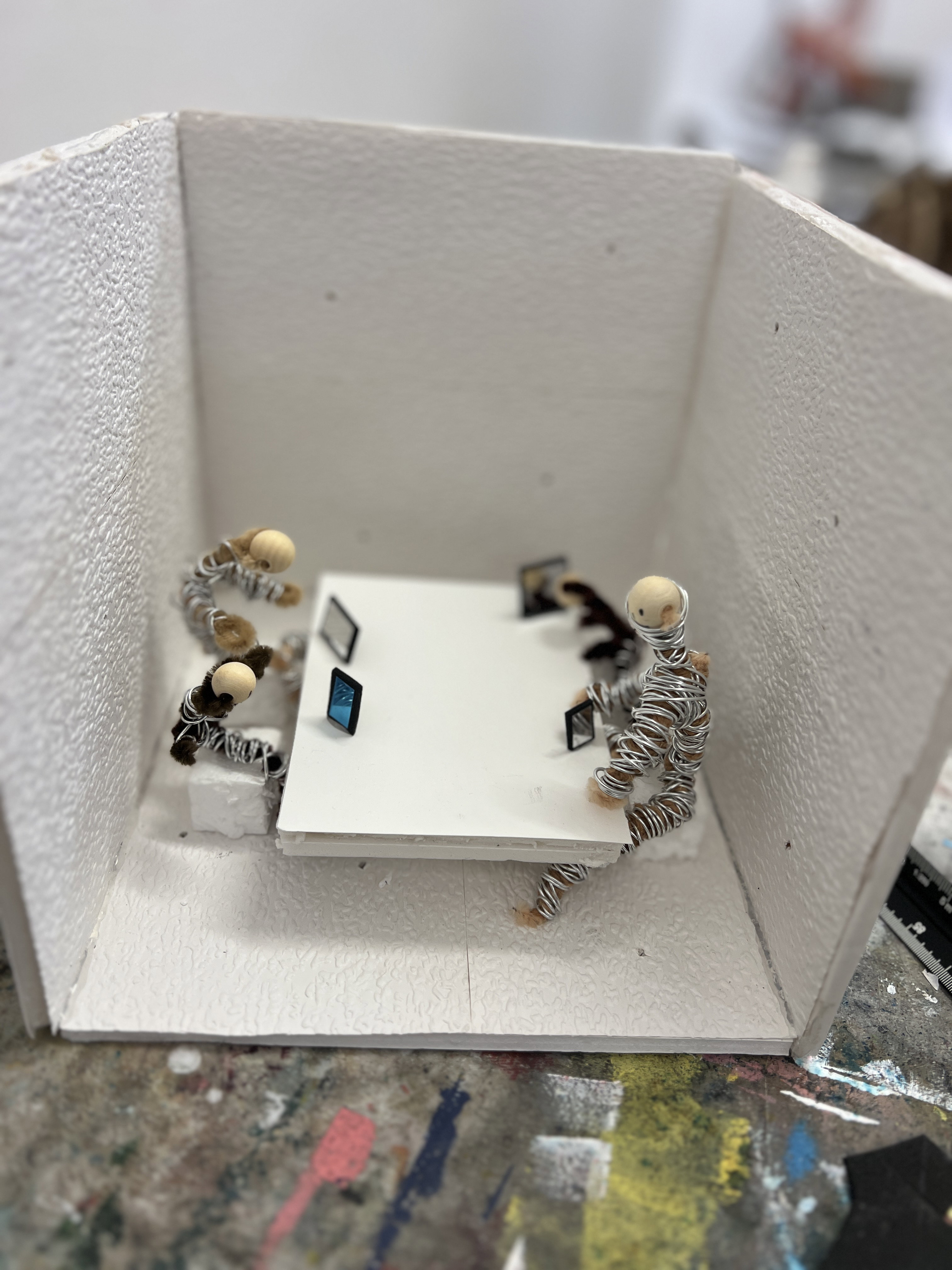
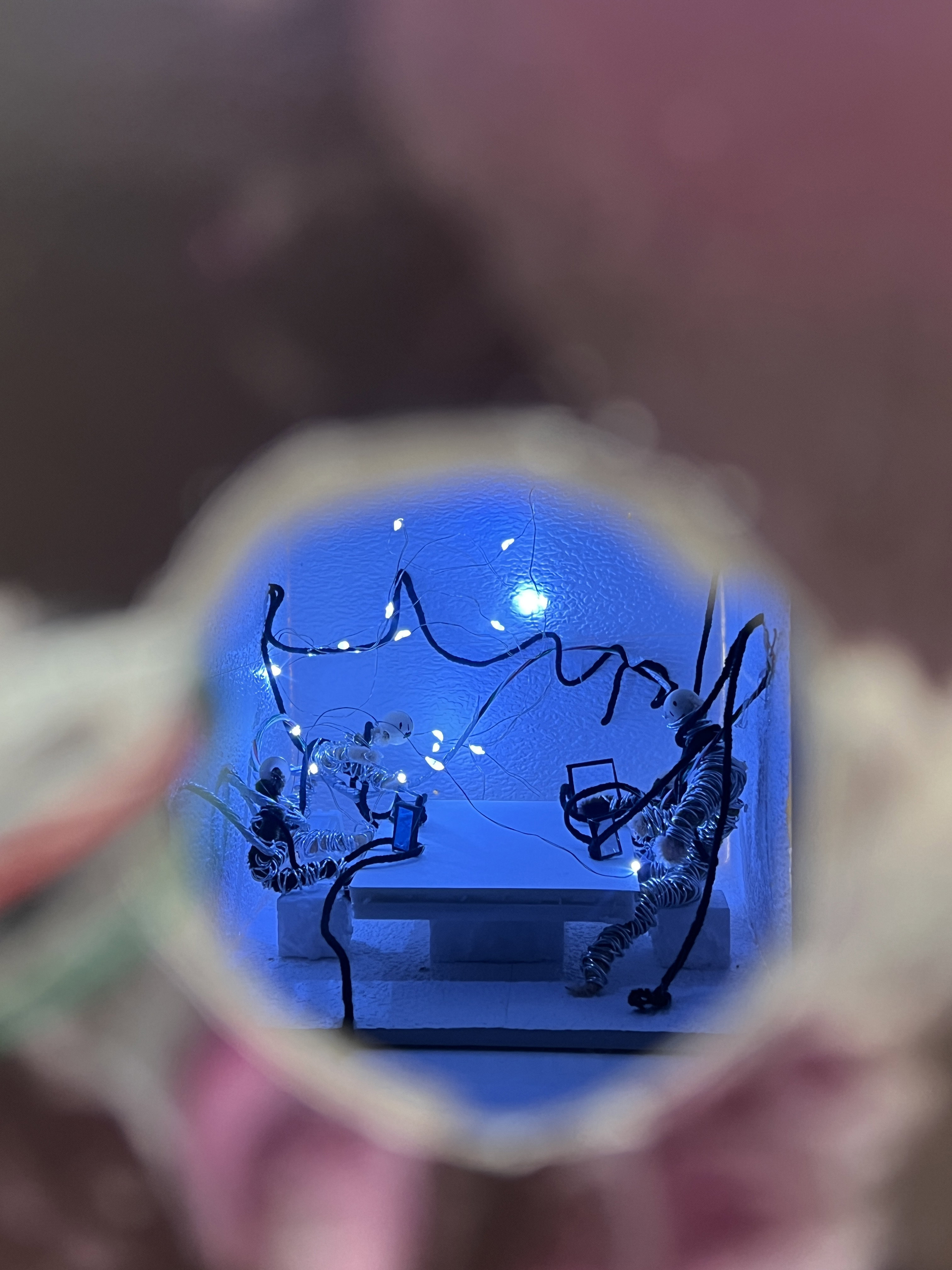
I then played around with how I could turn that idea into something that people could relate to: creating a familiar family setting while visually showing each person disappearing into their own digital world.
OUTCOME
(I couldn't upload it on YouTube)
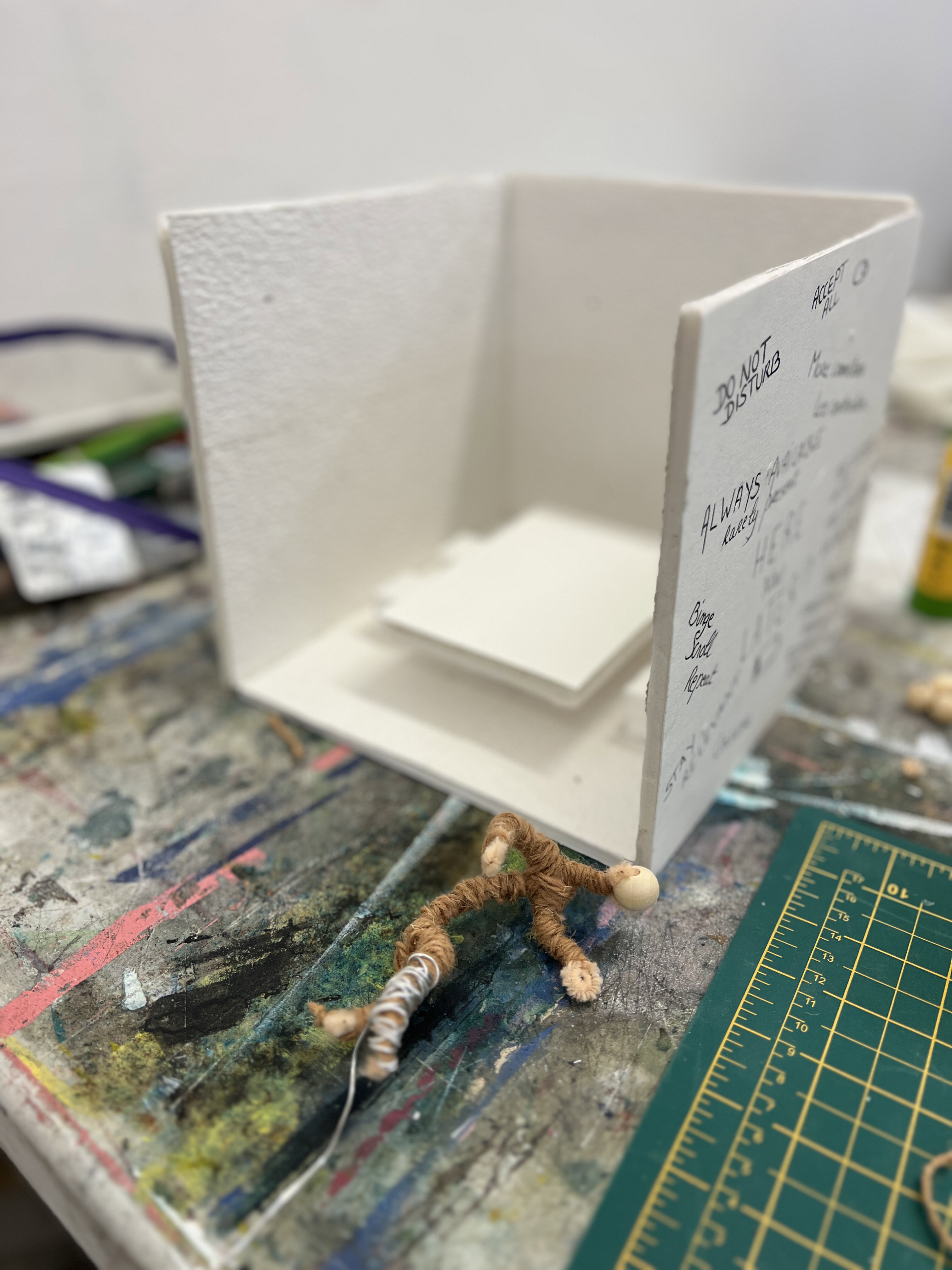
The final diorama, Connected / Disconnected, shows a family physically together but mentally somewhere else. I wanted it to feel familiar because, let's face it, most of us have probably been guilty of this!
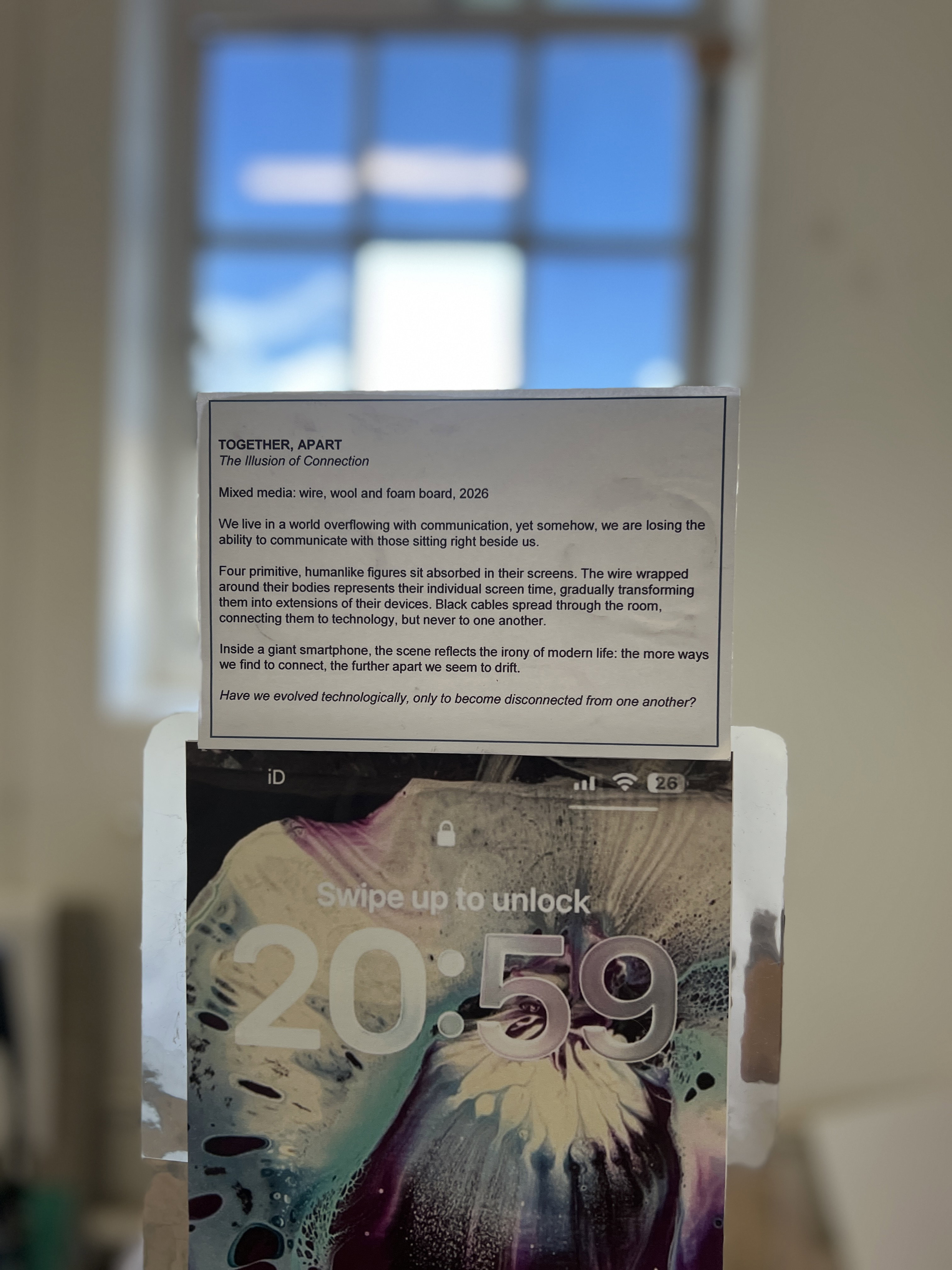
For me, the interesting part was making something invisible, that sense of disconnection, visible.
REFLECTION
What did I enjoy?
Seeing an idea in my head become something tangible, and seeing other students as excited as I was about it. Like Refashion, this workshop surprised me and I absolutely loved it.
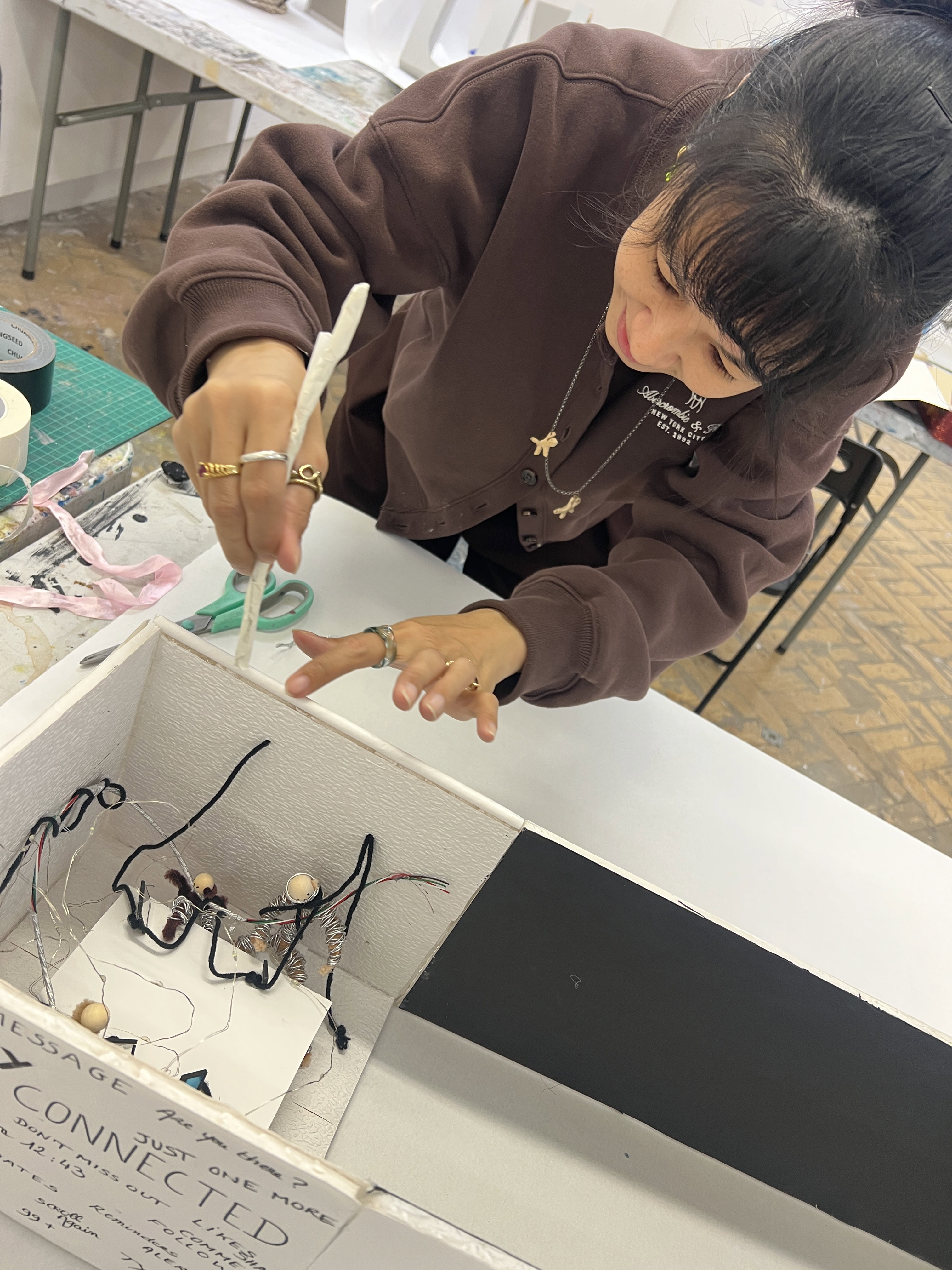
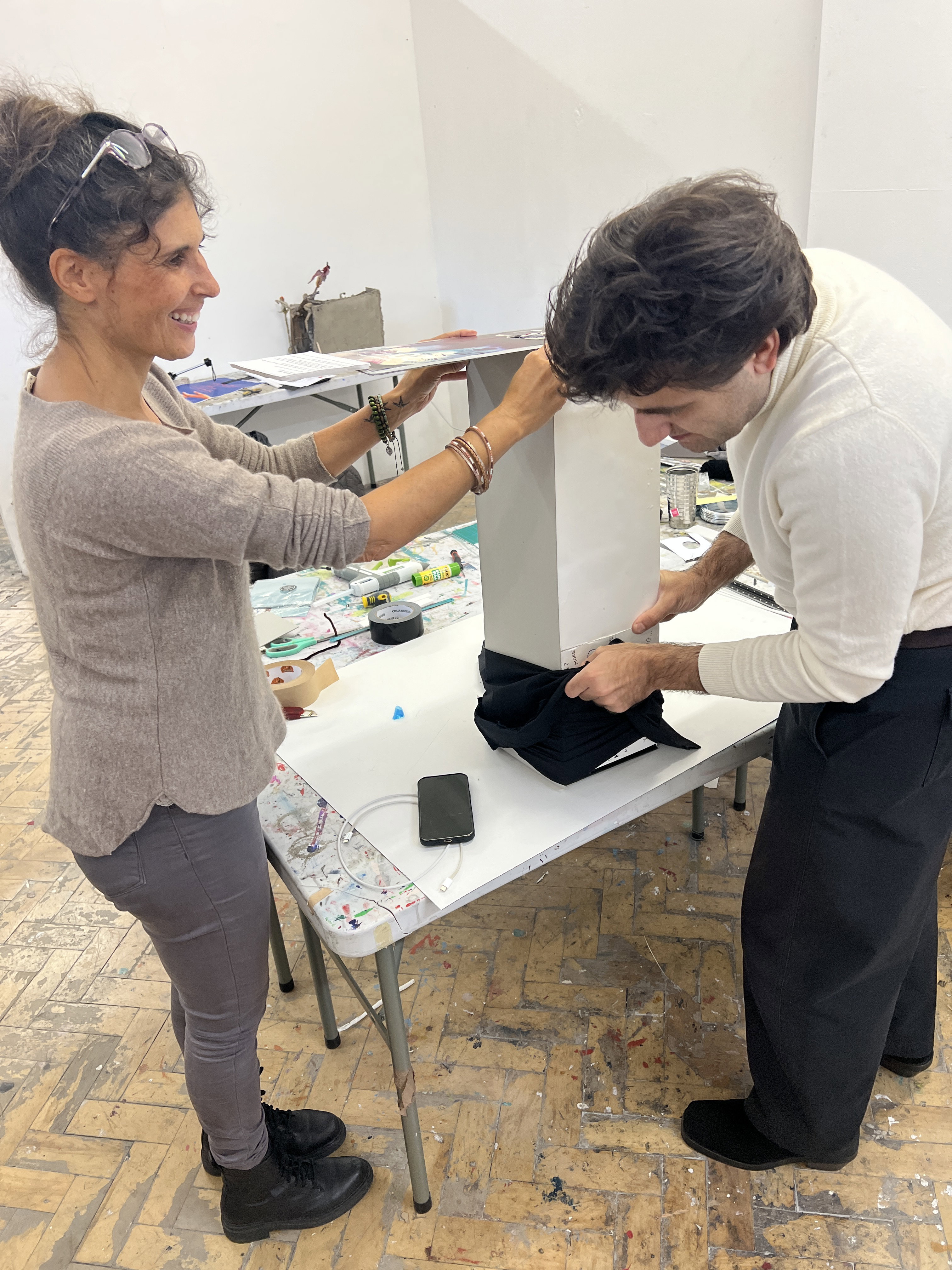
A big thank you to Liyuan and Stavros for all their help, and for getting almost as excited about my project as I did! Working with you two was a delight.
What did I find challenging?
Coming up with a 3D diorama project and building it in less than a day. It meant that some of the finishing was not as polished as I would have liked. Translating the idea into something visual and 3D was also a challenge at first, but probably the part I enjoyed the most.
What did I think I may have learned?
I need a purpose behind what I make. My first ideas around data and the invisible were interesting, but they were missing something I could feel excited about. Adding the human element made the whole concept click, even at 11PM!
Like with all the workshops and projects we worked on, initial ideas do not have to be the final ones. Thinking beforehand helped me, but remaining flexible is a key component of success.
Are there materials / techniques / processes / approaches from the project that you would like to investigate further?
I enjoyed creating a small 3D world around an idea and could see myself using this approach again. I think there is potential to combine it with fine art, photography, light or even moving image.
What would I do differently if I had to do the project again?
With more time, I would concentrate on the finishing and make some of the details more refined. Conceptually, though, I would not change very much. For the time I had, I was extremely happy with the outcome.
Did I document the work in progress and / or once complete?
I documented the development and final diorama, as well as the thinking and research that led to the concept.
RESEARCH & REFERENCES
Duchamp, M. (1946–1966) Étant donnés (1. La chute d'eau, 2. Le gaz d'éclairage). [Mixed media assemblage: wooden door, bricks, velvet, twigs, female form, gas lamp]. Philadelphia Museum of Art, Philadelphia. Available at: Philadelphia Museum of Art Collection
Hillier, T. (2010) The Migration of Mel and Judith. [Fictional narrative architectural designs, hybrid paper models, and stitching]. Available at: BLDGBLOG Architecture Archive
Chetwynd, M.G. (2012) Diorama. [Installation sculpture using paper, paint, tables, hanging lamps, and office furniture]. Illustrated in the Nottingham Contemporary exhibition notes. Available at: Tate Artist Profile: Monster Chetwynd
Hillier, T. (2010) The Migration of Mel and Judith: Detailed Section [mixed media detail]. Available at: Dezeen Architecture and Design Magazine